
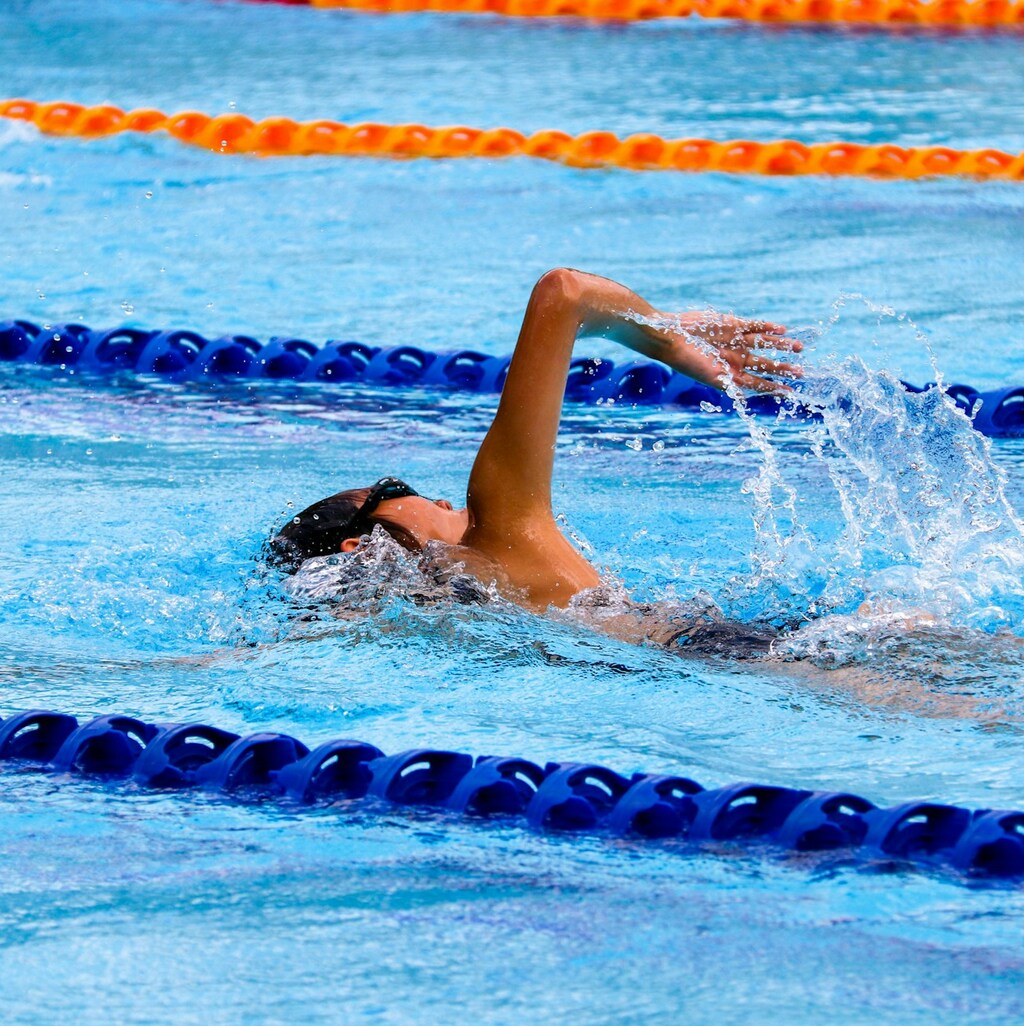
Typically refers to swimmers in the age group of 8-10 years old, and the focus for this group is on developing foundational swimming skills, technique, and water safety while making the training sessions enjoyable. At this age, swimmers are still in the early stages of their competitive swimming journey, so the emphasis should be on skill development, building endurance, and fostering a love for the sport rather than intense competition or volume.
For sub-junior swimmers, training should be focused on:
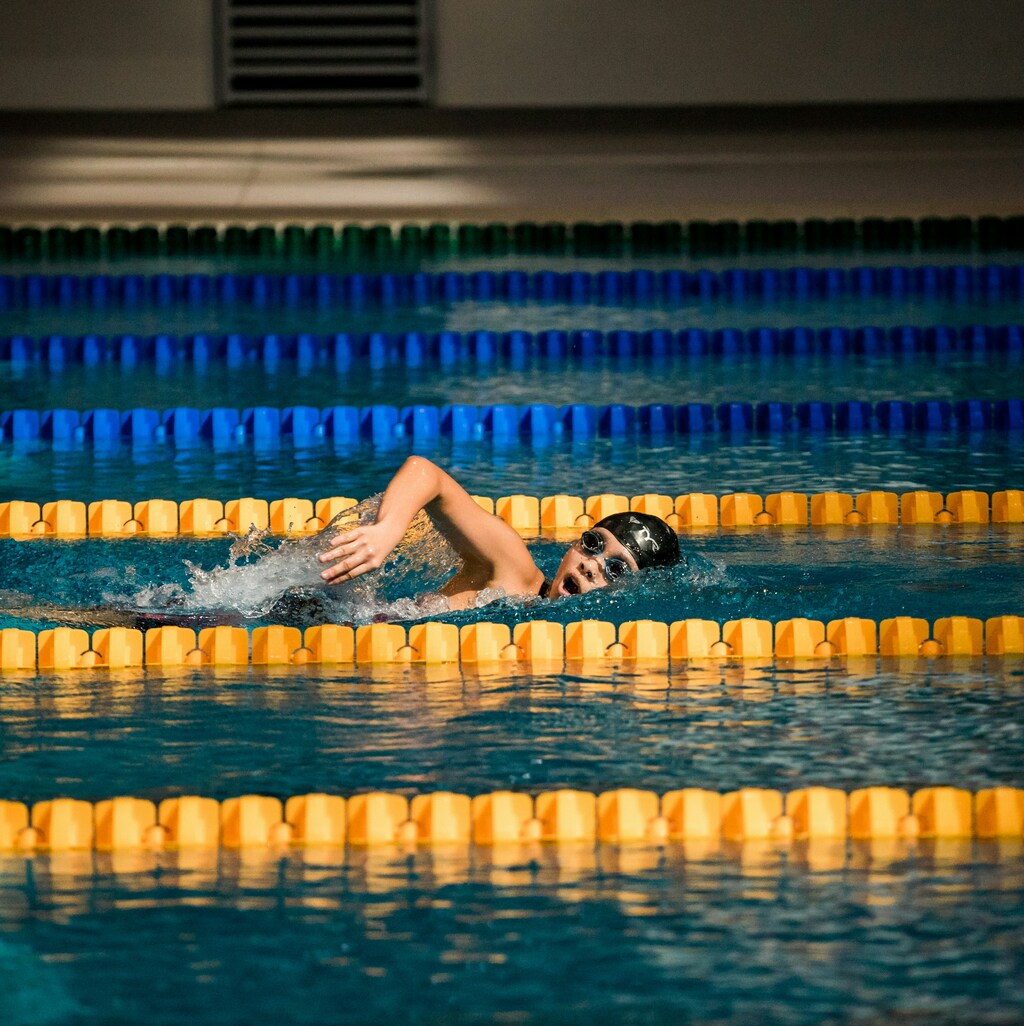
Junior swimming training focuses on building foundational skills, improving technique, and developing strength and endurance in young swimmers. The goal is to create a fun and supportive environment while gradually increasing the intensity of workouts to help swimmers progress.
Age Group Considerations:
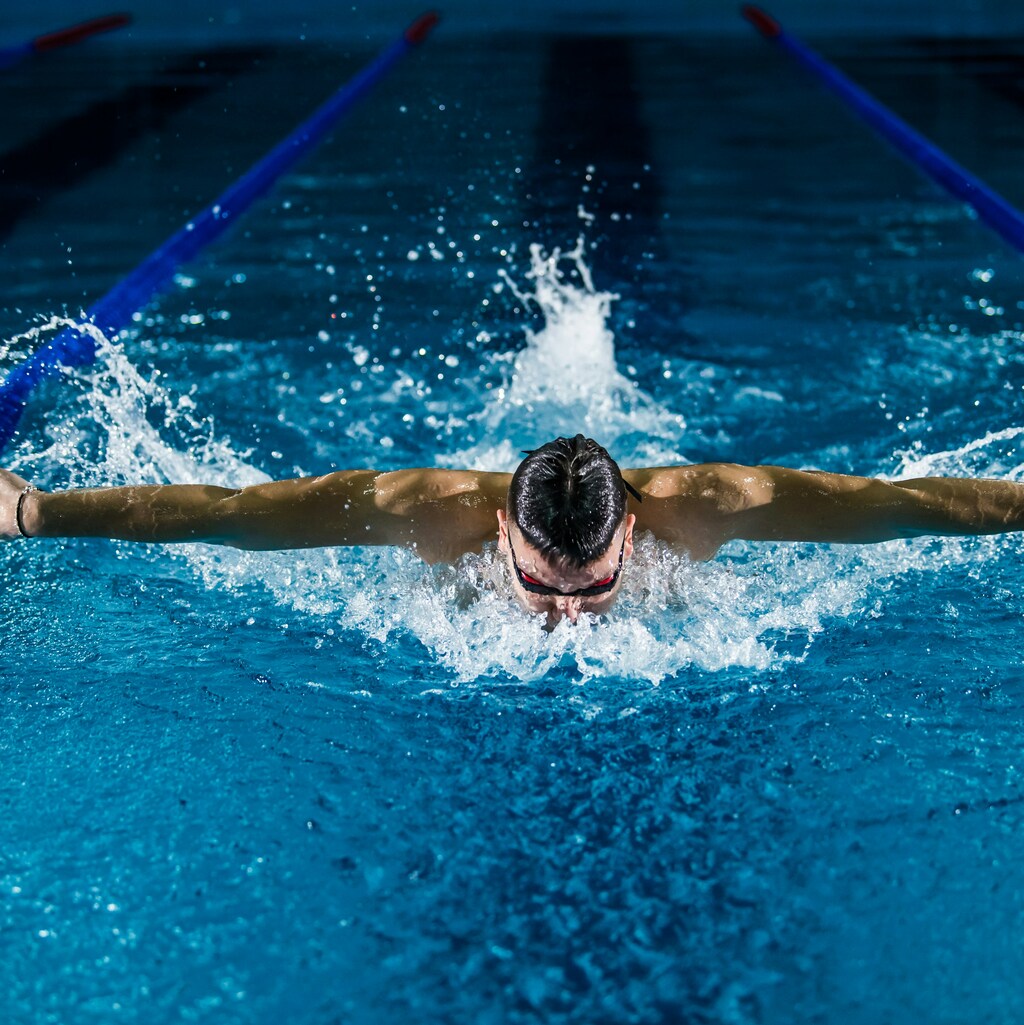
Typically refers to swimmers aged 15 and older, often at an advanced level of skill, with a focus on refining technique, maximizing physical conditioning, and preparing for high-level competitions. This level of training is intense, structured, and scientifically informed, with the goal of optimizing performance in various events (sprints, middle distance, and long-distance) while minimizing injury risk.
At the senior competitive level, swimmers are expected to manage multiple training components, including aerobic and anaerobic conditioning, strength training, race tactics, and mental preparation. This level of training requires not only physical dedication but also mental discipline.